
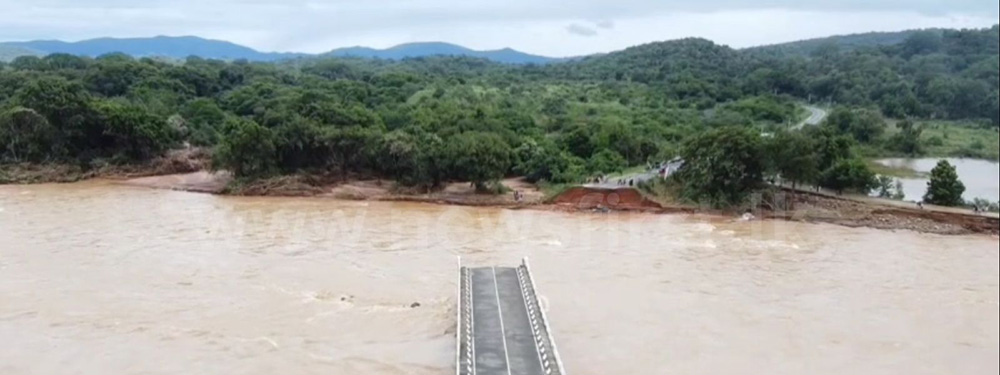
Sri Lanka’s import bill is likely to face upward pressure due to the ongoing floods, which have created an increased need for the replacement of damaged capital goods and equipment during restoration work, The Island learns.
This comes at a time when the country’s merchandise trade deficit had already expanded significantly in the first ten months of 2025, reaching US$ 6,182 million, compared to US$ 4,745 million in the same period last year, according to the latest Weekly Economic Indicators report released by the Central Bank.
The data for the period ending October 2025 reveals a challenging external sector performance, driven by a faster rise in import expenditure relative to export earnings – a trend likely to be exacerbated by the ongoing flood situation.
Export earnings showed a modest growth of 6.4% (year-on-year), climbing to US$ 11,364 million. This increase was primarily led by a strong 13.0% surge in agricultural exports and a 39.8% jump in the export of food, beverages, and tobacco. However, this was offset by a 12.4% decline in earnings from petroleum product exports.
In contrast, import expenditure surged by 13.8% to US$ 17,546 million. A striking 59.6% increase in the import of consumer goods was a major contributor to this growth, signalling a rise in domestic demand. Imports of investment goods also rose robustly by 20.5%.
This imbalance led to a deterioration in the terms of trade, which fell by 2.0% to 85.9 index points in October 2025, indicating that the prices of imports rose faster than the prices of exports.
Beyond the trade figures, the report highlighted several other key developments in the economy for the week ending 28 November 2025:
The widening trade deficit underscores the ongoing pressures on the country’s balance of payments, even as other sectors like construction show signs of growth.
Economists are closely watching the trends in import demand and export performance in the coming months for signs of rebalancing. The ongoing floods are expected to exert further upward pressure on import expenditure, as government institutions, businesses and households will need to replace damaged machinery and equipment.
Image Caption: The Moragahakanda Main Bridge, located along the Moragahakanda–Hettipola Road (B312), was swept away by rag ing waters. Potential repairs to such infrastructure are expected to impact Sri Lanka’s capital goods import bill. Photo Credit: Sirasa News First
Source: The Island