
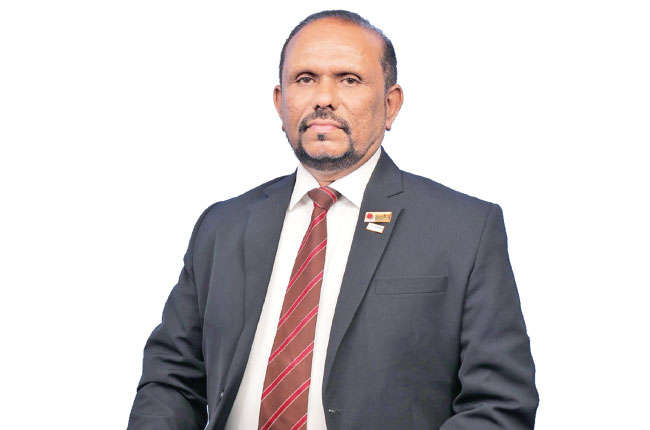
Q :How would you assess Sri Lanka’s economic recovery after the Ditwah? What has been the most pressing challenge in the aftermath?
A: Sri Lanka’s recovery after the Ditwah has been gradual but increasingly visible, characterized by improvements in macroeconomic stability, a noticeable easing of inflationary pressures, and the gradual restoration of essential supply chains that had been severely disrupted. Key sectors such as agriculture, tourism, and small-scale trade have begun to show signs of revival, offering cautious optimism to households and businesses alike.
Fiscal and monetary policy adjustments, alongside international support, have contributed to stabilizing foreign reserves and reducing extreme volatility in the exchange rate. However, this recovery remains fragile and uneven, with significant disparities across regions, income groups, and economic sectors. While some urban and export-oriented industries have rebounded faster, many rural communities, informal workers, and small entrepreneurs continue to struggle with reduced purchasing power, rising costs of living, and limited access to credit. The most pressing challenge has been restoring public confidence, both domestically and internationally, amid lingering concerns about policy consistency, governance, and long-term sustainability. At the same time, the government must carefully manage debt restructuring, safeguard vulnerable livelihoods, and create conditions for sustainable growth that is inclusive rather than narrowly concentrated among a few sectors or social groups. Without targeted social protection, transparent reforms, and productivity-driven investments, the recovery risks deepening existing inequalities rather than resolving them.
Q :What is the current state of agriculture, manufacturing, tourism and services post- Ditwah?
A: In the post-Ditwah period, Sri Lanka’s key economic sectors are showing mixed but cautiously optimistic signs of recovery. Agriculture has largely stabilized after severe disruptions, yet it continues to face persistent challenges such as low productivity, climate vulnerability, rising input costs, and limited access to modern technology. Despite these constraints, the sector holds significant potential for growth if supported by mechanization, climate-smart practices, better storage, and reformed supply chains that reduce waste and improve farmer incomes. Manufacturing, meanwhile, is recovering at a slower pace, constrained by high energy prices, limited access to affordable credit, and weakened domestic demand; however, export-oriented industries such as apparel and food processing have demonstrated resilience, driven by global market linkages and adaptability. Tourism has emerged as the standout performer in the recovery, generating strong foreign exchange inflows, reviving employment, and restoring international visibility, although long-term sustainability, environmental protection, and diversification beyond mass tourism remain critical. The services sector, particularly professional, ICT, and financial services, is regaining momentum, but its growth is restricted by skilled labour migration, regulatory inefficiencies, and gaps in digital infrastructure, underscoring the need for institutional reform and human capital development.
Q : From the OPA’s perspective, how has the professional community been affected?
A: From the OPA’s perspective, the professional community has been deeply affected by the economic downturn, experiencing reduced employment opportunities, income instability, delayed career progression, and growing uncertainty about long-term prospects within the country. Many professionals, particularly in critical fields such as engineering, medicine, IT, and academia, have sought opportunities abroad, leading to an accelerated brain drain that threatens Sri Lanka’s capacity for innovation and institutional reform. Although recent recovery efforts have generated renewed engagement and optimism among some segments of the professional community, concerns about job security, professional recognition, and fair compensation persist. Retaining skilled talent has therefore emerged as a major national priority. The OPA strongly believes that professionals should not be treated merely as implementers of policy, but as strategic partners in national development. Their expertise, evidence-based thinking, and sectoral insights must be integrated into policy formulation from the outset, rather than being consulted only after decisions have already been made. Meaningful inclusion of professionals in governance processes can enhance policy credibility, improve implementation outcomes, and rebuild public trust in institutions.
Q : What policy measures should the government prioritize in 2026?
A: By 2026, the government should prioritize a set of interconnected policy measures aimed at strengthening institutional capacity, enhancing competitiveness, and ensuring inclusive growth. Public sector reform and digitalization must be at the forefront, focusing on improving efficiency, reducing corruption, streamlining service delivery, and increasing transparency through e-governance platforms. At the same time, the adoption of predictable and transparent economic policies is essential to rebuild investor confidence, stabilize markets, and encourage long-term domestic and foreign investment. Education reform should align curricula and training systems with the needs of future industries such as renewable energy, advanced manufacturing, digital services, and biotechnology, ensuring that young people are equipped with relevant, market-oriented skills. Finally, export diversification and SME empowerment should be actively promoted through better access to finance, technology, and international markets, enabling smaller enterprises to become engines of innovation, employment, and regional development. Together, these measures can help create a more resilient, competitive, and equitable economy.
Q : How do you view debt management and fiscal consolidation efforts?
A: Debt management and fiscal consolidation efforts were unavoidable and, in many respects, necessary to restore macroeconomic stability, rebuild international credibility, and prevent a deeper financial crisis. These measures have helped stabilize public finances, reduce immediate default risks, and create a framework for more disciplined public spending.
However, at this stage of recovery, consolidation must be carefully balanced with growth- oriented policies. Excessive austerity can suppress demand, discourage private investment, and weaken long-term productive capacity. Fiscal discipline should therefore not come at the expense of productivity, innovation, or essential public investment in areas such as education, health, infrastructure, and technology. A well-calibrated approach, one that combines prudent budgeting with strategic, future-focused spending, can ensure that fiscal consolidation supports, rather than undermines, sustainable and inclusive economic growth.
Q :How can investor confidence be improved?
A: Investor confidence can be significantly improved through the consistent application of clear and predictable policies, a strong and impartial rule of law, streamlined regulatory and approval processes, and the protection of institutional independence from political interference. Investors, both local and foreign, require assurance that rules will not change arbitrarily, contracts will be honoured, and disputes will be resolved fairly and efficiently.
Reducing bureaucratic delays, eliminating overlapping regulations, and introducing transparent digital approval systems can further enhance ease of doing business. Equally important is the role of professional oversight in major infrastructure and investment decisions. The inclusion of qualified professionals, such as engineers, economists, environmental experts, and financial analysts, ensures that projects are technically sound, economically viable, and socially responsible. Such oversight not only minimizes risks and cost overruns but also strengthens accountability, thereby reinforcing trust in public institutions and the long-term investment climate.
Q :What long-term structural reforms are critical?
A: Long-term structural reforms are critical to ensuring sustainable, inclusive, and resilient economic growth. Central among these is comprehensive education and vocational reform, aimed at aligning curricula with evolving industry needs, strengthening technical and digital skills, and fostering innovation and lifelong learning. Labour market flexibility is also essential, allowing firms to adapt to changing economic conditions while protecting worker rights and promoting productivity, mobility, and fair wages. In parallel, the restructuring of state-owned enterprises (SOEs) is necessary to reduce fiscal burdens, improve efficiency, and enhance service delivery through better governance, performance benchmarking, and, where appropriate, public–private partnerships. Underpinning all these reforms must be strengthened governance and accountability frameworks, including transparent decision- making, independent regulatory bodies, and effective anti-corruption mechanisms. Together, these structural reforms can create a more competitive economy, attract investment, and rebuild public trust in institutions over the long term.
Q : How can the private sector contribute, and what is OPA’s role?
A: The private sector has a crucial role to play in Sri Lanka’s long-term recovery and development by leading efforts in job creation, innovation, productivity enhancement, and export expansion. As the primary engine of economic growth, private enterprises can drive competitiveness through the adoption of new technologies, development of value-added products, and integration into global value chains. In addition, the private sector can contribute to skills development, regional development, and sustainable business practices that balance profitability with social responsibility. Within this context, the Organisation of Professional Associations (OPA) serves as an important bridge between professional expertise and public policy. The OPA provides independent, evidence-based advice to policymakers, ensuring that national decisions are informed by technical knowledge, ethical standards, and long-term considerations. By promoting professionalism, integrity, and accountability across sectors, the OPA also helps foster a culture of good governance and responsible leadership, strengthening both investor confidence and public trust.
Q :Which sectors should be prioritized?
A: Sri Lanka should prioritize high-potential sectors that can drive sustainable growth, create quality employment, and strengthen export competitiveness. Renewable energy must be a top priority, not only to reduce dependence on imported fuel and improve energy security, but also to position the country as a regional leader in clean and affordable power. Agri-technology offers immense opportunities to modernize agriculture through precision farming, climate-smart practices, better storage, and digital marketplaces, thereby increasing productivity, farmer incomes, and food security.
Digital services and IT should also be strongly promoted, as they require relatively low physical infrastructure, generate high-value employment, and enable global market access for Sri Lankan talent. Finally, logistics and value-added manufacturing can enhance Sri Lanka’s strategic location advantage, allowing the country to move beyond raw exports toward higher-margin products and integrated supply chains. Focusing on these sectors can help build a diversified, resilient, and future-ready economy.
Q :What is the private sector role in innovation and entrepreneurship?
A: The private sector plays a central role in driving innovation and entrepreneurship by investing in research and development (R&D), nurturing startups, and accelerating digital transformation across industries. By adopting new technologies, developing innovative products and services, and exploring emerging business models, private enterprises can enhance productivity, global competitiveness, and long-term resilience. Equally important is the need to foster strong collaboration with universities, research institutions, and professional bodies to bridge the gap between academic knowledge and market application.
Such partnerships can support knowledge transfer, skills development, incubation programs, and the commercialization of new ideas. By creating supportive ecosystems that encourage experimentation, risk-taking, and continuous learning, the private sector can help build a vibrant innovation culture that generates sustainable growth, quality employment, and solutions to national development challenges.
Q :How can Public-Private collaboration be strengthened?
A: Strengthening public-private collaboration is essential for achieving sustainable development and implementing complex national projects effectively. This requires institutionalized consultation mechanisms that ensure private sector perspectives are systematically incorporated into policy formulation and project planning, rather than being sought only on an ad hoc basis. Transparent Public-Private Partnership (PPP) frameworks are equally critical, providing clear guidelines on procurement, governance, accountability, and performance monitoring, which help build trust and attract long-term investment. In addition, well-defined risk-sharing models are necessary to allocate financial, operational, and regulatory risks fairly between the public and private sectors, thereby encouraging private participation in projects that might otherwise be considered too risky. By combining structured dialogue, transparency, and equitable risk allocation, public-private collaboration can be transformed from a sporadic effort into a strategic tool for driving innovation, infrastructure development, and inclusive economic growth.
Q :What PPP models have more potential?
A: Public-private partnership (PPP) models in sectors such as ports, renewable energy, urban development, and transport show significant potential to accelerate infrastructure development and enhance service delivery, provided they are professionally governed. In the ports sector, PPPs can optimize operations, attract private investment, and increase efficiency in cargo handling and logistics. Renewable energy PPPs offer opportunities to scale up clean energy projects, reduce reliance on imported fuel, and promote technological innovation.
Urban development partnerships can support sustainable housing, smart city initiatives, and integrated public services, while transport PPPs can modernize road networks, public transit systems, and freight corridors. The success of these models depends on transparent contractual frameworks, robust regulatory oversight, and clearly defined roles and responsibilities, ensuring that risks and benefits are shared fairly between public and private stakeholders. When implemented effectively, such PPPs can drive economic growth, improve quality of life, and strengthen investor confidence.
Q : What is OPA’s advocacy role?
A: The OPA plays a critical advocacy role by promoting structured and meaningful engagement between the professional community and policymakers. Rather than allowing professional input to be considered only after decisions are made, the OPA emphasizes early and constructive involvement in the policy process, ensuring that national decisions are informed by technical expertise, evidence-based analysis, and ethical standards. Through research, position papers, and formal consultations, the OPA channels the collective knowledge of its member associations to address complex challenges in governance, economic reform, infrastructure, and social development. By fostering dialogue, providing independent advice, and encouraging transparency and accountability, the OPA helps bridge the gap between professional insights and practical policy implementation, ultimately contributing to more effective, inclusive, and sustainable national outcomes.
Q :What are the challenges and opportunities the country will face in 2026
A: By 2026, Sri Lanka faces a complex mix of challenges and opportunities that will shape its recovery and long-term development. Among the top challenges are retaining skilled professionals amid continued emigration, managing high public debt while simultaneously promoting economic growth, and ensuring that social equity is preserved during structural reforms to prevent widening disparities. Addressing these challenges requires coordinated action across government, private sector, and professional bodies, underpinned by policy stability, transparent decision-making, and shared accountability for outcomes. At the same time, there are significant untapped opportunities that can accelerate inclusive growth.
Knowledge-based services, such as digital solutions, research, and professional consultancy, can generate high-value employment and export revenue. Green finance can mobilize investment in renewable energy and sustainable infrastructure, while regional trade integration can expand markets for Sri Lankan products and services. By leveraging professional expertise, fostering innovation, and implementing forward-looking policies, the country can transform these opportunities into tangible economic and social gains, ensuring a more resilient and competitive future.
Q :Your comments over the outlook for 2026
A: The outlook for 2026 is cautiously optimistic. While challenges such as debt management, talent retention, and social equity remain significant, there is a clear pathway for sustainable growth if reforms are implemented consistently and strategically. Professional engagement will be crucial in ensuring that policies are evidence-based, technically sound, and socially responsible, while active private-sector leadership can drive job creation, innovation, and export expansion. When combined with transparent governance, policy stability, and targeted investment in high-potential sectors such as renewable energy, digital services, and value-added manufacturing, these efforts can lay the foundation for resilient economic growth. With coordinated action among government, professionals, and industry, Sri Lanka has the potential not only to recover from past disruptions but to position itself as a competitive, forward-looking economy by 2026.
Q : Your advice to young professionals and entrepreneurs?
A: To young professionals and entrepreneurs, my advice is to remain actively engaged in your fields, continually invest in developing both technical and soft skills, and uphold the highest standards of integrity and ethical conduct. Success is not measured solely by short-term gains but by the long-term value you create for your organizations, communities, and the nation.
Nation-building requires more than ambition; it demands professional courage, persistence, and a willingness to contribute meaningfully even in the face of challenges or uncertainty. By embracing innovation, collaborating across disciplines, and staying committed to excellence, young professionals and entrepreneurs can drive positive change, strengthen institutions, and help build a resilient, prosperous, and inclusive society.
Q : OPA’s future role?
A: Looking ahead, the OPA will continue to serve as the independent and authoritative national voice of Sri Lanka’s professional community, playing a pivotal role in shaping the country’s economic, social, and institutional development. By providing strategic advice and evidence-based policy insights, the OPA can help ensure that national decisions are informed by technical expertise, global best practices, and long-term considerations. Beyond policy guidance, the OPA will champion ethical leadership, professional standards, and accountability, fostering a culture of integrity across public and private sectors. Through dialogue, advocacy, and collaboration with government, industry, and civil society, the OPA aims to strengthen institutions, support sustainable growth, and facilitate inclusive development, ultimately positioning professionals as active partners in shaping Sri Lanka’s economic and social future.
Source : Daily News