
- Debt moratorium of up to 6 months on case-by-case basis
- New facilities with 3-month grace period
- Banks asked not to levy fees until January 31, 2026
- CBSL asks banks not to decline loan applications solely based on bad CRIB
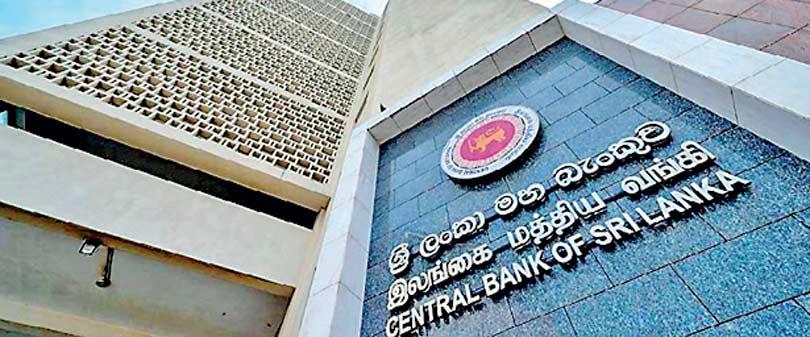
The Central Bank, in conjunction with licensed banks, presented a pandemic-era style relief package for flood-affected borrowers, including a debt moratorium of 3 to 6 months on a case-by-case basis.
Under the measures, banks are required to suspend capital and/or interest on existing credit facilities of affected borrowers.
However, banks have been requested not to charge interest above the applicable interest rate on the facility during this period of suspension. They are also to ensure that no interest will be charged on deferred interest payments.
While these relief measures are extended on a case-by-case basis, during the pandemic in 2020 and 2021, the Central Bank provided a blanket moratorium, extended for several rounds due to the prolonged effects of the pandemic on businesses and individuals.
It also provided liquidity support to banks in billions of rupees to backstop the banks and businesses affected by the repeated effects of the pandemic.
In a circular dated December 5, the Central Bank also asked banks to grant new loan facilities to affected individuals and businesses on a case-by-case basis, with a grace period of 3 months beyond the expiry of the aforementioned suspension period.
Further, any new loan facilities granted for up to 2 years will be charged at a maximum fixed interest of 9 percent or the contractual interest rate applicable to the borrower for overdrafts or loan facilities as at the date of the circular, whichever is lower.
For any new facilities granted for over a 2-year period, the interest rate may be revised by the bank to a rate linked to the average weighted prime lending rate at the end of the second year, as specified in the loan facility agreement with the borrower.
In addition, banks are requested to suspend charging for cheque returns, stop payments, late payment fees, credit restructuring/modification fees, and penal interest on all credit facilities of affected borrowers during the period up to January 31, 2026.
“Where charges are levied through automatic system-generated entries, such charges should be refunded to the relevant account within 3 business days of being charged,” the Central Bank said.
Banks have further been advised not to decline new loan applications solely based on adverse records in the Credit Information Bureau.
Source: Daily Mirror